The Batman
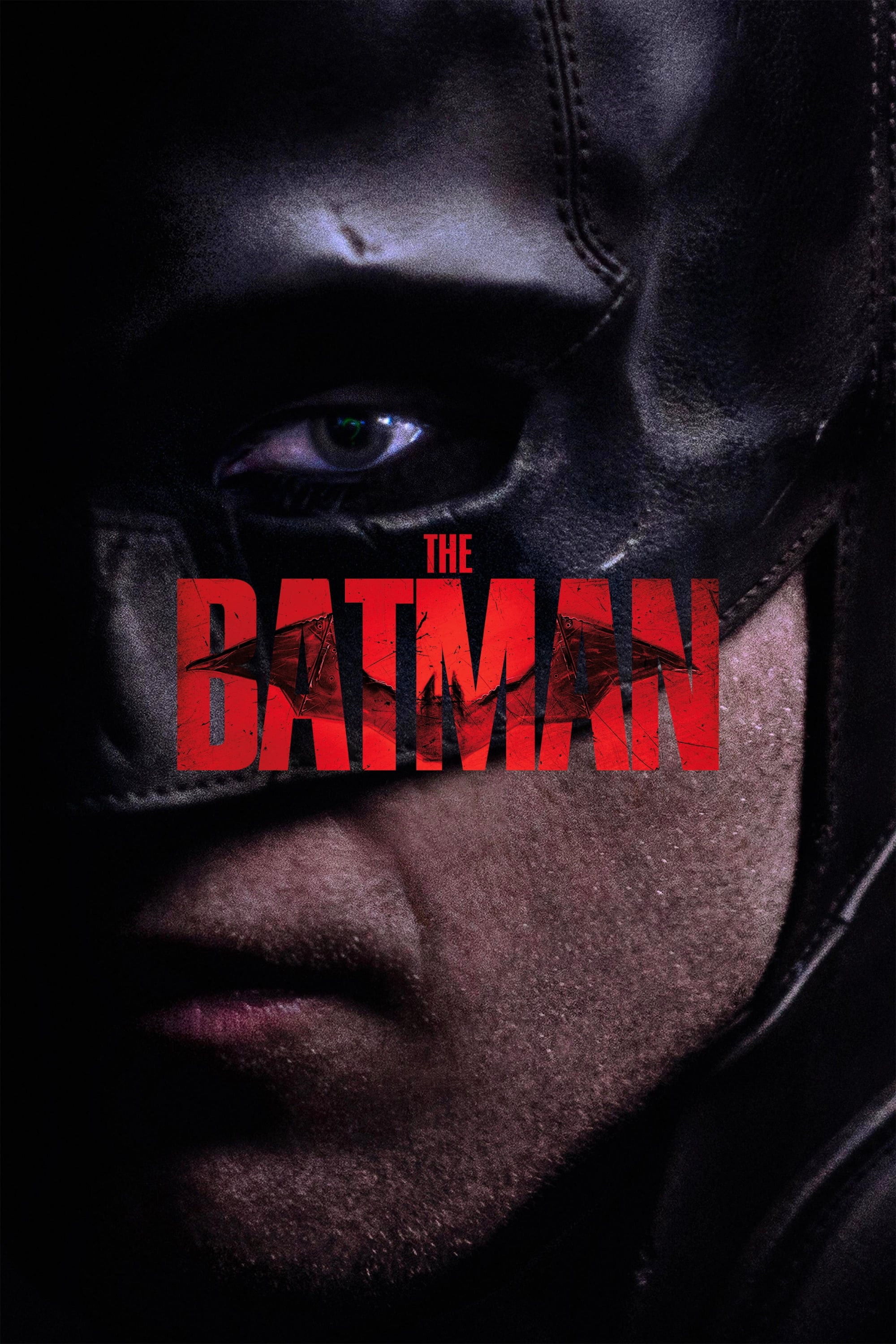
Perhaps the most immersive Gotham City ever filmed is created by Matt Reeves; it is a filthy, rain-soaked city that is constantly on the verge of collapsing. Every frame is replete with corruption, moral decay, and urban deterioration, creating an oppressive atmosphere in the greatest possible way. Every facet of the film's narrative is infused with a neo-noir sensibility that turns the city into a living, breathing character. Before a single blow is delivered, gangsters are intimidated by Batman's heavy "metallic" footsteps as he emerges from the shadows. This is Gotham as purgatory, a place where the gloom is unavoidable and hope seems destroyed.
This piece by Greig Fraser is simply amazing. By using ARRI ALFA anamorphic lenses, he produces a distinct visual language with significant falloff at the edges of the frame, giving the movie a fish-eye effect that makes it seem as though we are looking at Gotham through a skewed, terrifying lens. While the color scheme—desaturated blues, acidic neons, and blood-red highlights—creates a visual symphony of dirt, the short depth of field isolates them in their loneliness. Each shot has a sense of careful composition, with strong contrast and shadows that are reminiscent of 1940s noir yet are still unmistakably contemporary. A critic expressed a yearning to "imprint this film's visuals into my brain and inject them into my veins"—a statement that is difficult to argue with.
This is the most psychologically distressed Batman. Reeves removes any kitsch and quip-heavy humor to reveal a Gotham where violence is serious and has repercussions. Without sanitizing them, the movie embraces serious issues like inherited trauma, governmental corruption, and the cyclical cycle of violence. Between calculated intelligence and terrifying cruelty, Pattinson's Batman alternates between resembling Travis Bickle patrolling the streets at night and a 1940s gumshoe like Humphrey Bogart's Sam Spade. The tone is relentlessly somber without ever becoming unnecessary; each shade contributes to the psychological portrayal of a guy who uses retaliation as a coping strategy.
The Gothic promise that Nolan's trilogy only alluded to is eventually realized by Reeves. Obsessively Gothic, Gotham's architecture is always in the dark and on the verge of collapsing. The movie celebrates the character's innate Gothic features, such as the bat iconography, the eye makeup that both Bruce Wayne and Batman wear for the first time, the castle-like architecture, and the dense, almost mystical darkness. A Dracula-like appearance is produced by the "Batman red" that breaks up the visual scheme against black backgrounds. Batman functions best in this movie when he appears less like a superhero and more like a nighttime monster—a Gothic romance between a man and his demons.
There is a crushing weight to the motion when it works. Batman's physicality as a fighter who takes as much punishment as he gives it is shown throughout the fight. The flooded arena scene in the conclusion offers true spectacle, while the vehicle chase with the Penguin offers physical thrills. But there is an inconsistency in the action. While some scenes—especially the more dramatic ones in the last act—threaten to go into CGI-heavy extravagance that threatens to overshadow the grounded aesthetic that was previously established, other scenes feel unduly dependent on fast cuts and darkness to hide choreography. Detective work takes precedence over set pieces in the movie, which advances the plot but may leave action-loving audiences wanting more visceral impact.
Although Reeves incorporates elements from some of Batman's most well-known comic arcs, such as Earth One, The Long Halloween, and Year One, the end product feels more like a mashup than a true adaptation. The Riddler is grounded on psychological horror rather than campy riddles thanks to his brilliant reinvention as a serial killer with a Zodiac appearance. On occasion, though, the movie's emphasis on being "different" subverts its own mythos. Despite being a gripping story, the third-act revelations regarding the corruption of the Wayne family drastically change Batman's purpose in ways that would offend purists. The movie does a good job of making the content feel new, but occasionally at the expense of the mythic resonance that gives Batman his lasting appeal.
Pattinson's portrayal of Bruce Wayne is intriguingly fractured; he is a gloomy, reclusive "grown-up emo kid" who appears more at ease in the Batsuit than in his own skin. His transformation from a vindictive vigilante to a symbol of optimism is a powerful, if somewhat condensed, story. The treatment of the supporting cast, however, is inconsistent. Although her past seems hurried, Zoë Kravitz's Selina Kyle/Catwoman brims with moral complexity and chemistry with Pattinson. Despite being menacing, Paul Dano's Riddler occasionally borders on caricature, especially in the last portion of the movie. Although Jim Gordon, played by Jeffrey Wright, serves as a strong anchor, the film's lengthy running length nevertheless makes several of the relationships, especially the pivotal Batman-Gordon collaboration, seem underdeveloped rather than earned.
Although technically sound, Michael Giacchino's work is emotionally contentious. With variations ranging from covert timpani rhythms to screaming horn cacophonies, the four-note Batman motif is instantly recognizable—oppressively violent and unavoidable—and can be heard in almost every cue. The Riddler's Schubert-inspired "Ave Maria" distortion is truly brilliant, while the Catwoman theme masterfully captures John Barry's sensual noir sensibilities. However, the score's constant melancholy can seem unchanging. Giacchino's work is frequently oppressively dismal, in contrast to Zimmer's emotional catharsis and Elfman's romantic sweep. Although the 12-minute "Sonata in Darkness" for solo piano is an amazing accomplishment, the film's emotional austerity is mirrored in the score's lack of melodic reprieve, which is admirable but draining.
Robert Pattinson gives a performance that is revolutionary, discovering new dimensions in a character that has been portrayed by numerous performers. His Bruce Wayne is so disconnected that he appears to be playing a part even when he is not wearing a mask, and his Batman is untamed and injured. He portrays the character's dualism as a psychological fissure rather than a stylish masquerade. The ensemble in the movie, however, gets different levels of attention. Although Dano's dedication to the Riddler's vocal and physical tics is often overdone, Kravitz and Wright are excellent with little material. Even if Colin Farrell's screen time feels rushed, he totally vanishes into the Penguin. Although the performances are excellent given the tone of the picture, it seems that a more thorough examination of these intriguing interpretations was not possible due to the large ensemble and time constraints.
This is where the movie's fatal weakness lies. The Batman, which is about three hours long, burns slowly and occasionally feels like it might go out. The film's inability to cut fat turns into a punishment, although the opening two hours of the film shine as a methodical detective thriller. A sense of diminishing rewards is produced by several endings, recurring thematic beats, and a third act that raises the stakes to almost catastrophic proportions while keeping the same gloomy pacing. For ninety minutes, the film's dedication to its noir pacing—lingering on rain-streaked windows, painstaking clue-examination, and brooding voiceover—works flawlessly; at the hour-one mark, it becomes stressful, and by the hour-sixty-seven, it is almost tiresome. The film's atmospheric complexity will make some viewers feel self-indulgent, while others will find the runtime immersive. A more precise edit might have increased the narrative flow while maintaining the mood.
Staff:
Directed by: Matt Reeves
Written by: Matt Reeves and Peter Craig
Based on: Characters from DC
Produced by: Dylan Clark and Matt Reeves
Starring: Robert Pattinson, Zoë Kravitz, Paul Dano, Jeffrey Wright, John Turturro, Peter Sarsgaard, Andy Serkis, and Colin Farrell.
Cinematography: Greig Fraser
Edited by: William Hoy and Tyler Nelson
Music by: Michael Giacchino
Production companies: Warner Bros. Pictures, DC Films, 6th & Idaho, and Dylan Clark Productions
Distributed by: Warner Bros. Pictures
Release date: March 4, 2022
Running time: 176 minutes


Comments
Post a Comment