The Invisible Man
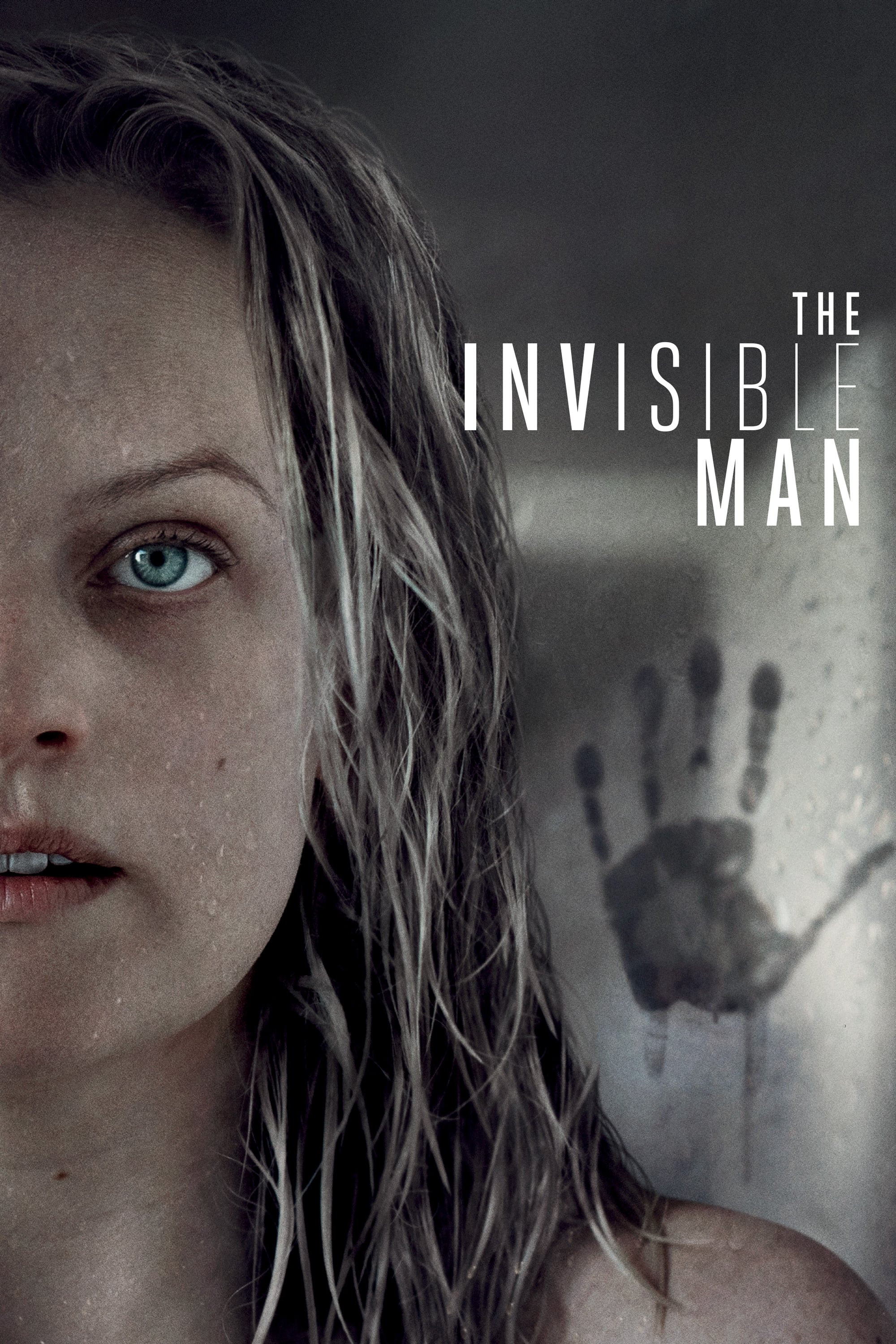
The Invisible Man (2020), which reimagines H.G. Wells' classic through a lens of marital violence and gaslighting that seems urgently modern, is a masterclass in tension and psychological terror. The film frightens you not because of what you see, but because of the oppressive fear of what you cannot.
Every shot is anchored by Elisabeth Moss's amazing performance. As Cecilia, fleeing her domineering, affluent, and optically brilliant boyfriend Adrian, only to be plagued by his apparent suicide and ensuing unseen presence, she musters her innermost fear, desperate faith, and shrewd survival instinct. Her visage, which frequently fills the screen in extreme close-up, transforms into a scene of terror so intense that it defies genre boundaries. Cecilia's loneliness is visceralized by Moss; her anxiety is so obviously real that we fully believe her when she insists something is wrong while others perceive hysteria.
The unseen is far more terrifying than any computer-generated monster, as writer-director Leigh Whannell is well aware. With devilish accuracy, the movie uses negative space as a weapon: vacant doors, deserted halls, and corners of frames where anything may be. We are forced to frantically inspect the screen for atmospheric disruptions during long takes. When violence breaks out, it does so with startling physicality: a bedroom battle that implies violation without revealing its origin, an assault at a restaurant that occurs in public but is horrifyingly invisible. The discomfort is subtly heightened by Benjamin Wallfisch's score, which features staccato strings and electronic drones.
The content is elevated beyond simple excitement by the thematic relevance. Whannell produces a nightmare that stays because it mimics actual pain by literalizing the sense of being gaslit—made to question your own observations, labeled unstable when naming assault. In addition to being a stalker, the invisible enemy stands for institutional power, riches, and technology used as weapons against a woman's truth.
Action mechanics take precedence over psychological depth in the third act. Following the invisible man's overt act of violence, the film transitions from a period of persistent dread to more traditional thriller beats, including chases, battles, and a satisfying finale that neatly resolves the uncertainty that before it. The earlier, more devastating intimacy of Cecilia's secret anxiety is lost in favor of emotional thrill in the kitchen confrontation and hospital sequence.
Generous suspension of disbelief is necessary for some story devices. Despite being prudently under-explained, the technology that makes invisibility possible creates practical issues that the screenplay ignores, such as how Adrian makes ends meet while hidden, how the suit keeps its power, and the financial viability of his monitoring business. Although these shortcomings are not fatal, they may detract from the emotional reality that Moss creates.
Supporting characters, especially Tom (Adrian's brother) and Emily (Cecilia's sister), fulfill narrative functions without taking on distinct personalities. Although their mistrust of Cecilia seems essential to the gaslighting theme, it occasionally serves as a dramatic device rather than genuine relationship dynamics.
Using genre machinery to investigate true human darkness, The Invisible Man is a wonderful example of blockbuster horror at its most intelligent. Moss's performance is worthy of praise that goes beyond genre boundaries; she gives the movie the dedication of a performer who is aware of the symbolic significance behind the scares. Whannell creates a film that is both unpleasant as societal satire and satisfying as a pure thriller, demonstrating that classic monsters still have power when filtered through contemporary worries. With a few minor deviations from the norm in the final act, this is a clever, truly frightful film that relies on audiences to experience pain rather than just be shocked.
Staff:
Directed by: Leigh Whannell
Written by: Leigh Whannell
Based on: The Invisible Man (1897 novel) by H. G. Wells
Produced by: Jason Blum and Kylie du Fresne
Starring: Elisabeth Moss, Aldis Hodge, Storm Reid, Harriet Dyer, Michael Dorman, and Oliver Jackson-Cohen.
Cinematography: Stefan Duscio
Edited by: Andy Canny
Music by: Benjamin Wallfisch
Production companies: Blumhouse Productions, Goalpost Pictures, and Nervous Tick Productions
Distributed by: Universal Pictures
Release date: February 28, 2020
Running time: 124 minutes


Comments
Post a Comment