Birds of Prey
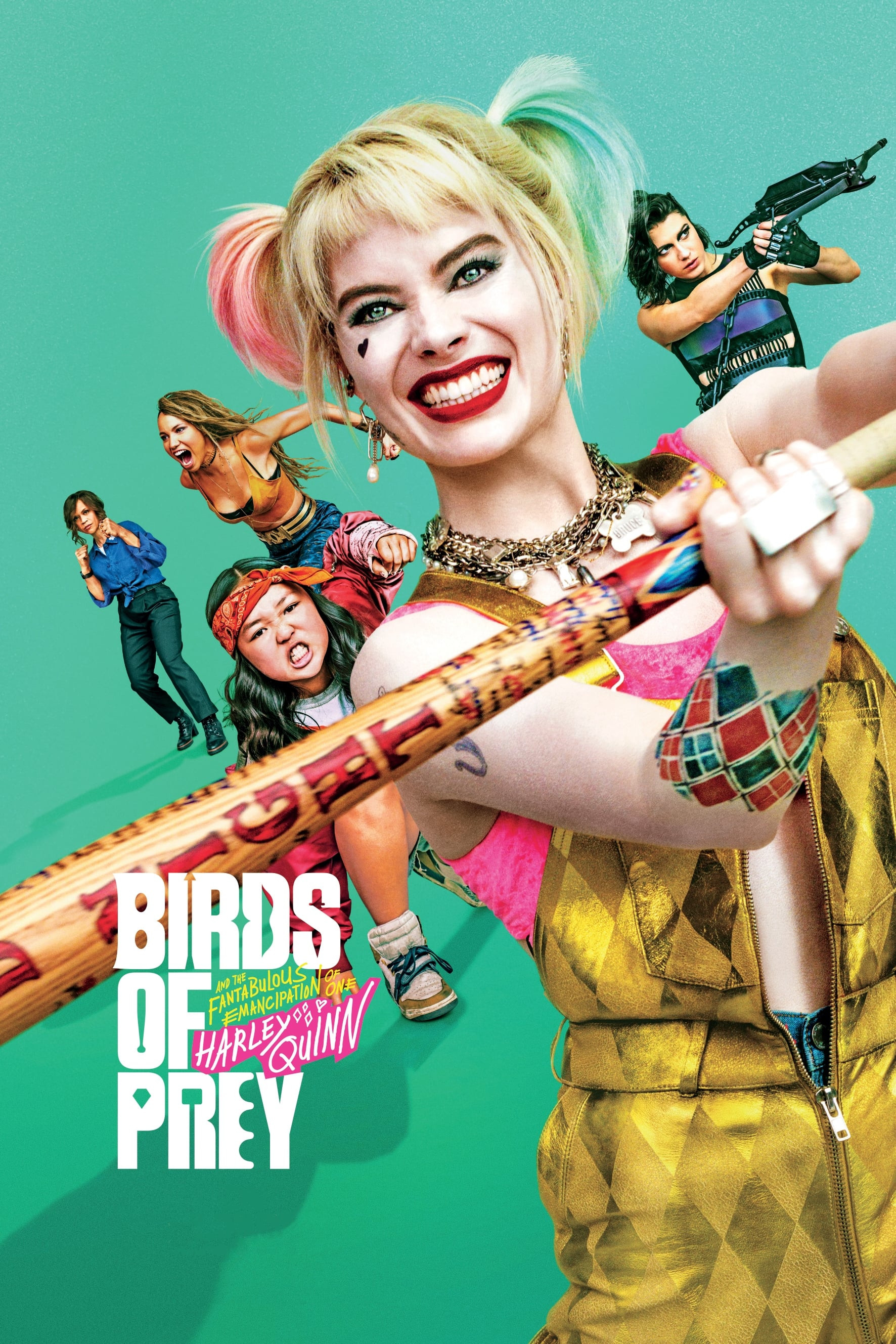
The film's action scenes and fight choreography, which were created by Cathy Yan and stunt coordinator Jonathan Eusebio, are its most notable features. Ingenious set pieces like a roller skate chase and a funhouse mirror maze are used in the encounter at an abandoned amusement park, showcasing inventive storytelling that is not often seen in comic book movies. Through the use of glitter bombs and bean ball rounds, the police station battles highlight Harley's wild ingenuity while highlighting the scenes' physicality with powerful blows and obvious choreography. Each heroine's distinct fighting style is highlighted in the climactic confrontation against Black Mask's men, which adds depth without feeling like a video game lesson.
Because to Matthew Libatique's cinematography, Gotham feels like a standalone entity because to its vibrant, neon-drenched look. Hot pinks, acid greens, and electric blues permeate every frame of the film, which eschews the gritty, desaturated aesthetic of earlier DC entries in favor of something more akin to a punk rock fever dream. The comic book excess is grounded in tactile reality by the utilization of realistic settings, such as a greasy Greek café, a mafia club loaded with taxidermy, and an actual Chinatown. During the action, Libatique's camera work is fluid without being confusing, and his lighting decisions—especially the blacklight scene in the biker bar—create some stunning shots that are worthy of stop and admiration.
Erin Benach's costume design is particularly noteworthy for using apparel to define character. From the diamond "Property of Joker" jacket to the gold-sequined romper to the red-and-black leather combo that pays homage to her comic beginnings while feeling modern, Harley's transformation from "Mr. J's property" to independent woman is literally worn on her sleeve. Renee Montoya's rumpled detective suits that scream "overworked and underappreciated," Huntress's sleek purple assassin suit that looks both ridiculous and functional, and Black Canary's gold lamé stage costume versus her useful tactical gear are just a few examples of how each supporting character's wardrobe tells their story. A visual metaphor for polished evil concealed beneath human skin is created by the contrast between Roman Sionis' hideous black skull mask and his exquisitely made clothing.
For a studio blockbuster debut, Cathy Yan's direction exudes incredible confidence. She juggles several timelines and points of view, using Harley's shaky narration as connective tissue, all the while maintaining a lightning-fast pace without sacrificing narrative clarity. Yan's treatment of ensemble relationships is influenced by her experience with independent films like Dead Pigs; she allows each Bird of Prey moments of agency and vulnerability to keep them from becoming sidekicks. Her readiness to embrace the ridiculous (a glitter grenade, a hyena named Bruce, and an egg sandwich as a MacGuffin) while keeping the emotional stakes high demonstrates a filmmaker who knows that comic book movies are most successful when they are totally dedicated to their own vision rather than trying to appeal to everyone.
The performance in the movie takes it above the level of humor, enabling Harley, played by Margot Robbie, to show off her complexity as a damaged, intelligent woman rather than merely a "hot crazy girlfriend." Robbie is a master of physical humor, which is especially clear from her body language and facial expressions. The film's humorous qualities are enhanced by Mary Elizabeth Winstead's portrayal of Huntress, a socially inept trauma survivor with deadpan humor. The portrayal of Black Canary by Jurnee Smollett-Bell is vulnerably seductive, particularly in light of her hesitation to wield her gift. While Rosie Perez's portrayal of Renee Montoya provides emotional depth despite her adherence to the "grizzled detective" cliché, Ewan McGregor's insane Roman Sionis is characterized by theatrical savagery.
Gabe Hilfer, the curator of the soundtrack, creates an energizing, eclectic blend that serves as Harley's inner monologue. Doja Cat's "Boss Bitch" during the police station rampage, Saweetie's "Sway With Me" during the climactic battle, and Megan Thee Stallion and Normani's opening song "Diamonds" all feature aggressively modern and female-centric musical selections. These needle drops are interwoven with throbbing electronica and circus-inspired sounds in Daniel Pemberton's score, which maintains a high level of excitement throughout conversation sequences. The film's lighthearted, satirical tone is best illustrated by the usage of a slowed-down rendition of "Hit Me With Your Best Shot" during a violent altercation.
Social Commentary in the film presents a mixed effectiveness, with notable feminist themes that focus on women's relationships, systemic misogyny demonstrated through Roman's cruelty, and female solidarity. The discomfort in scenes like Roman forcing a woman to strip emphasizes the violence hiding behind a polished façade. However, certain commentary moments, such as Harley's direct remarks on topics like voting for Bernie and toxic masculinity, feel heavy-handed and insincere. Additionally, the treatment of Cassandra Cain as a mere plot device undermines the film's inclusivity. The commentary is most impactful when integrated into the action, as seen when Harley reclaims her identity through destruction of the chemical plant linked to her past.
The primary structural flaw in the movie is character development. Harley Quinn has a full storyline, however because of the movie's short running length, Black Canary and Huntress, two of the supporting cast, don't get enough development. The exposition of Huntress's past is inadequate, while Black Canary's transformation into a superhero is sudden and takes place off-screen. Cassandra Cain is merely an orphan, while Renee Montoya's problems are presented but not addressed. Despite the title implying an ensemble, the film largely functions as a vehicle for Harley Quinn, leading to a dearth of significant character interactions that compromise the creation and cohesiveness of the squad.
Birds of Prey is a colorful, violent, and ultimately successful reimagining of the comic book movie formula that relies on the director's vision, the talents of its ensemble, and the audience's need for something truly bizarre. Even when its ensemble goals beyond its narrative scope, it is a successful sensory extravaganza and a vehicle for Margot Robbie's iconic Harley Quinn. Rather than being artistic failures, the shortcomings—thin supporting narratives and sometimes direct messaging—feel more like the unavoidable price of studio risk-taking.
This provides candy-colored catharsis for audiences weary of the same old "serious" superhero movie. The surface is impressive, but it doesn't always satisfy people who are looking for in-depth character analysis. Once you accept it as Harley's story rather than the promised team-up, the movie gets better with each viewing.
Staff:
Directed by: Cathy Yan
Written by: Christina Hodson
Based on: Characters from DC
Produced by: Margot Robbie, Bryan Unkeless, and Sue Kroll
Starring: Margot Robbie, Mary Elizabeth Winstead, Jurnee Smollett-Bell, Rosie Perez, Chris Messina, Ella Jay Basco, Ali Wong, and Ewan McGregor.
Cinematography: Matthew Libatique
Edited by: Jay Cassidy and Evan Schiff
Music by: Daniel Pemberton
Production companies: Warner Bros. Pictures, DC Films, LuckyChap Entertainment, Clubhouse Pictures, and Kroll & Co. Entertainment
Distributed by: Warner Bros. Pictures
Release date: February 7, 2020
Running time: 109 minutes


Comments
Post a Comment