Dolphin Reef
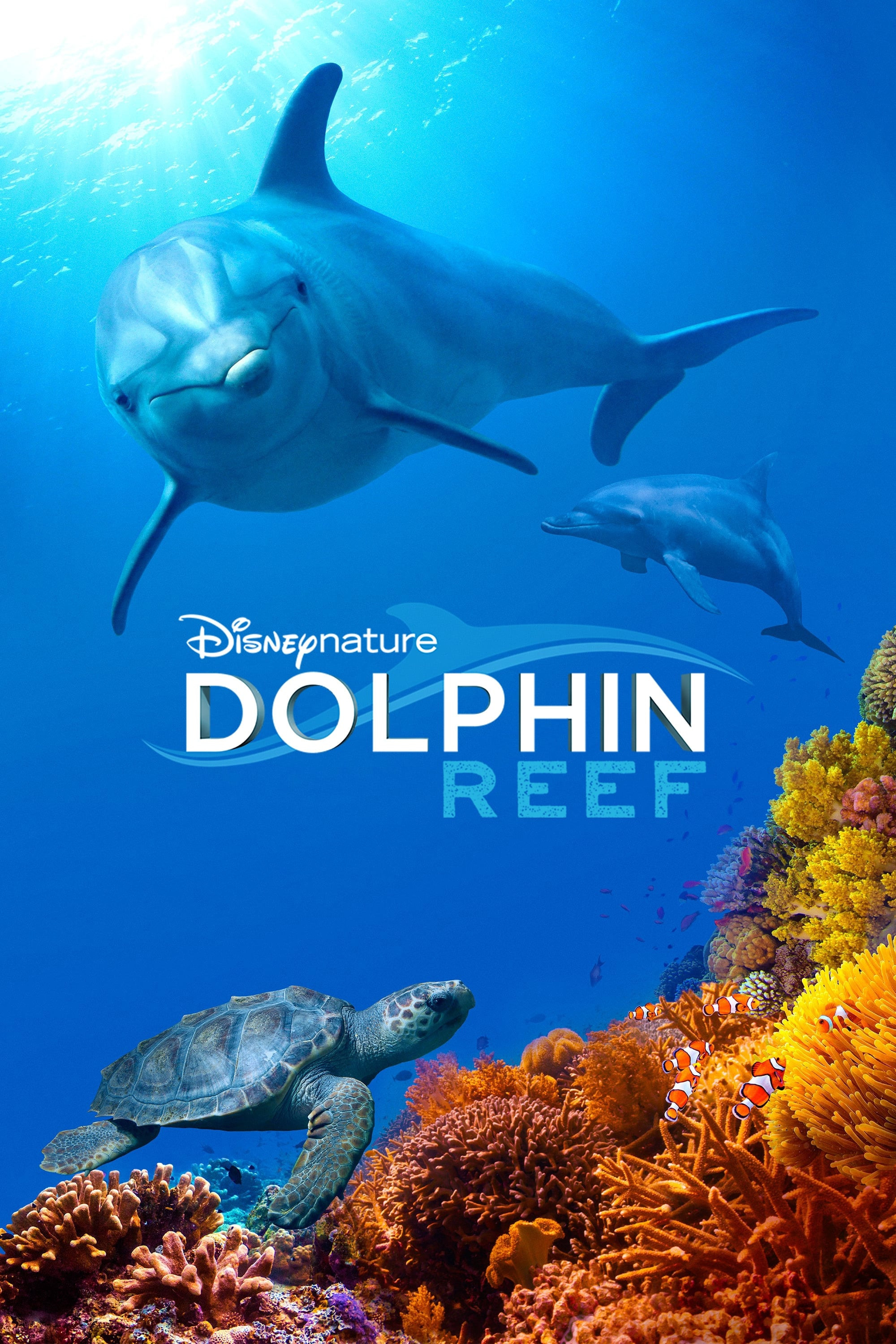
Follow Echo, a baby bottlenose dolphin who is learning to negotiate the intricate social systems and survival difficulties of his coral reef environment, as this Disneynature documentary transports viewers to the South Pacific. The video examines the interdependent ecosystem where dolphins, humpback whales, and several other species rely on the delicate health of the reef against the backdrop of his mother Kumu's gentle advice.
The film creates moments of artistic astonishment with its powerful visual poetry, especially in its ocean scenes with slow-motion dolphins and bioluminescent organisms. With creative camera technique, it immerses viewers in the depths of the water while telling Echo's "Adolescence" without going overboard with anthropomorphizing. A mother humpback whale and her offspring serve as an example of the film's focus on dependency rather than species isolation, which is similar to the bond between Kumu and Echo. With a steady tone that lets the images express emotion without creating tension, Portman's narration tackles climate change and reef damage in a positive way, encouraging environmental education via admiration rather than fear.
Echo's coming-of-age story is presented in the movie "Dolphin Reef" with an editing style that feels artificially continuous, resulting in a jumbled narrative flow. A climactic encounter with a shark that is portrayed as singular using composite film is among the important occurrences that are quickly cut between. With its concentration on humpback whales, the middle portion of the documentary takes viewers' attention away from Echo and breaks up the flow of the story without fully establishing a dual-protagonist structure. Despite the film's breathtaking whale imagery, it feels more like a narrative duty than natural storytelling. The shark segments highlight the "sharks are scary" narrative while ignoring their ecological importance, simplifying predator-prey relationships. Furthermore, there are times when the soundtrack drowns out the undersea environment's natural sounds, creating a conflicting auditory experience. In terms of education, the movie falls short because it provides little information about dolphin intelligence, communication, or coral reef ecosystems, putting more emphasis on emotional appeal than expertise. This could irritate viewers who are looking for objective facts.
Staff:
Directed by: Alastair Fothergill and Keith Scholey
Written by: David Fowler
Produced by: Alastair Fothergill, Keith Scholey, and Roy Conli
Starring: Natalie Portman
Cinematography: Paul Atkins
Edited by: Martin Elsbury
Music by: Steven Price
Production companies: Disneynature and Silverback Films
Distributed by: Walt Disney Studios Motion Pictures and Disney+
Release date: April 3, 2020
Running time: 78 minutes


Comments
Post a Comment