Black Is King
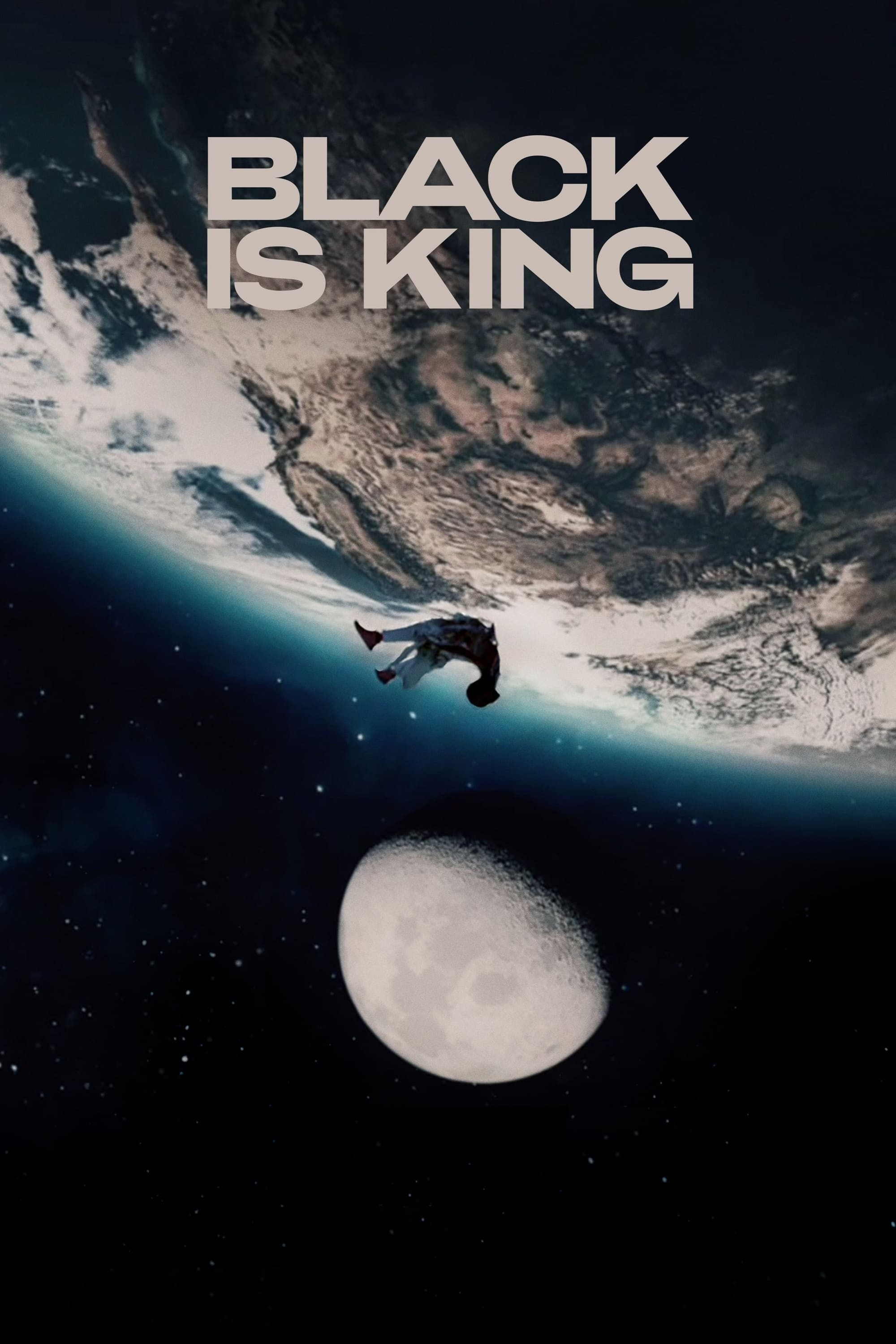
Created as a visual companion to The Lion King: The Gift, Black Is King reimagines The Lion King narrative through a distinctly Pan-African lens. The film traces a young African prince’s journey toward self-discovery and his eventual reclamation of the throne, framing the familiar story within a broader meditation on heritage and belonging.
Blending the stylized aesthetics of music videos with the cohesion of narrative filmmaking, the project operates both as an extended visual album and as a standalone artistic statement. It offers a layered exploration of Black identity, generational trauma, and diasporic reconnection, positioning itself as a culturally resonant work that transcends its origins as a companion piece.
Zerina Akers' costume design, which combines haute couture with traditional African textiles and Afrofuturist motifs, is one of the film's most striking examples of artistic grandeur in musical cinema. Diverse settings, from underwater photography to ballroom spectacles, display brilliant color palettes and compositional skill, while key images, such as Beyoncé's representation in flowing gold against a crimson desert, attain a painting aspect. Songs like "Mood 4 Eva" and "Brown Skin Girl" become joyous manifestations of Black richness and intergenerational homage, embracing a variety of Black feminine figures, while the story is beautifully intertwined through music. By imaginatively contrasting West African customs with contemporary urban society, the film blurs chronological and geographic barriers and promotes a flexible Black identity that surpasses colonial narratives. With James Earl Jones' voiceover providing continuity, the main story of a young man's quest towards healing offers cohesion throughout the visual tapestry. The film's intimacy is enhanced by Beyoncé's dual role as director and performer, which captures emotional relationships within a larger artistic setting. While the photography and editing guarantee a visually arresting and rhythmic experience across a variety of settings, the partnership with African singers alongside American celebrities changes the viewpoint towards a more inclusive narrative.
The unstructured narrative framework of Black Is King puts aesthetics ahead of narration, which causes viewers to become emotionally detached. In contrast to Beyoncé's earlier work, Lemonade, which provided a clear narrative, this video leaves the protagonist's psychology unclear and necessitates a thorough understanding of Pan-African culture, Beyoncé's life, and The Lion King. For some, this might make the images both lovely and mysterious. Though its commercial origins cause friction, especially because it steers clear of contemporary political issues impacting the African diaspora, the film captivates audiences with its creative imagery and embraces African culture. Despite its emphasis on female empowerment, certain scenes unintentionally follow established standards for objectification. In general, Black Is King is more effective as a visual experience than for long-term narrative engagement.
A work that could only exist in the streaming era, Black Is King is the pinnacle of visual album achievement. It requires high-definition display, encourages repeat viewing, and rewards frame-by-frame examination. It is successful as a diasporic reclamation project, a fashion film, a family photo book that has been taken to a mythic level, and an anthology of music videos. Its shortcomings—narrative abstraction, sporadic obscurity, corporate containment—don't lessen its sincere aspirations and frequent transcendence. Beyoncé keeps pushing the boundaries of what popular music art can achieve when resources and vision come together.
Staff:
Directed by: Beyoncé, Emmanuel Adjei, Blitz Bazawule, Pierre Debusschere, Dafe Oboro, Jenn Nkiru, Ibra Ake, Dikayl Rimmasch, and Jake Nava
Written by: Beyoncé, Yrsa Daley-Ward, Clover Hope, and Andrew Morrow
Based on: The Lion King: The Gift
Produced by: Jeremy Sullivan, Jimi Adesanya, Blitz Bazawule, Ben Cooper, Astrid Edwards, Durwin Julies, Yoli Mes, Dafe Oboro, Akin Omotoso, Will Whitney, Lauren Baker, Jason Baum, Alex Chamberlain, Robert Day, Christophe Faubert, Brien Justiniano, Rethabile Molatela Mothobi, Sylvia Zakhary, Nathan Scherrer, and Erinn Williams
Starring: Beyoncé, Folajomi Akinmurele, Connie Chiume, Nyaniso Ntsikelelo Dzedze, Nandi Madida, Warren Masemola, Sibusiso Mbeje, Fumi Odede, Stephen Ojo, and Mary Twala.
Cinematography: Ryan Marie Helfant, Mohammaed Atta Ahmed, Michael Fernandez, Danny Hiele, Nicolai Niermann, Malik Sayeed, Santiago Gonzalez, David Boanuh, Erik Henriksson, Laura Merians, Kenechukwu Obiajulu, and Benoit Soler
Edited by: Andrew Morrow, Maria-Celeste Garrahan, Haines Hall, and Tom Watson
Music by: James William Blades, MeLo-X, and Derek Dixie
Production companies: Walt Disney Pictures and Parkwood Entertainment
Distributed by: Disney+
Release date: July 31, 2020
Running time: 85 minutes


Comments
Post a Comment